Documented history
Margaret Brundage and the Weird Tales Record
By Rhoda Kell, Trope critic Published 4 August 2026
The short answer
Margaret Brundage painted 66 Weird Tales covers between 1932 and 1945, including 39 consecutive issues from June 1933 to August 1936, working in pastel on illustration board and paid ninety dollars a cover by the editor Farnsworth Wright, which makes her the best documented cover artist in the peril tradition and one of the few whose materials, rate and reception are all on the record.Most of the peril tradition is anonymous. A magazine survives, a signature is illegible, the credit is a collector’s attribution rather than a document. Margaret Brundage is the exception, and that is why she belongs on this shelf rather than on a page of appreciation. Her count, her dates, her materials, her rate and the reaction to her work are all on the record.
She was born on 9 December 1900 and died on 9 April 1976.
The count and the dates
Brundage painted 66 covers for Weird Tales between 1932 and 1945. Her first appeared in September 1932. Her final original cover ran in January 1945.
Inside that span is the run that made her: 39 consecutive issues from June 1933 to August 1936. For three years and three months the magazine did not put anybody else on the front. That is a longer unbroken hold on a national title than almost any illustrator in the field managed, and it means the visual identity of Weird Tales in its best remembered period is hers rather than the magazine’s.
Weird Tales itself had started in 1923, moved to Popular Fiction Publishing in Chicago from November 1924, and was edited by Farnsworth Wright from November 1924 until March 1940. Wright is the man who hired her and the man who paid her.
Pastel on illustration board
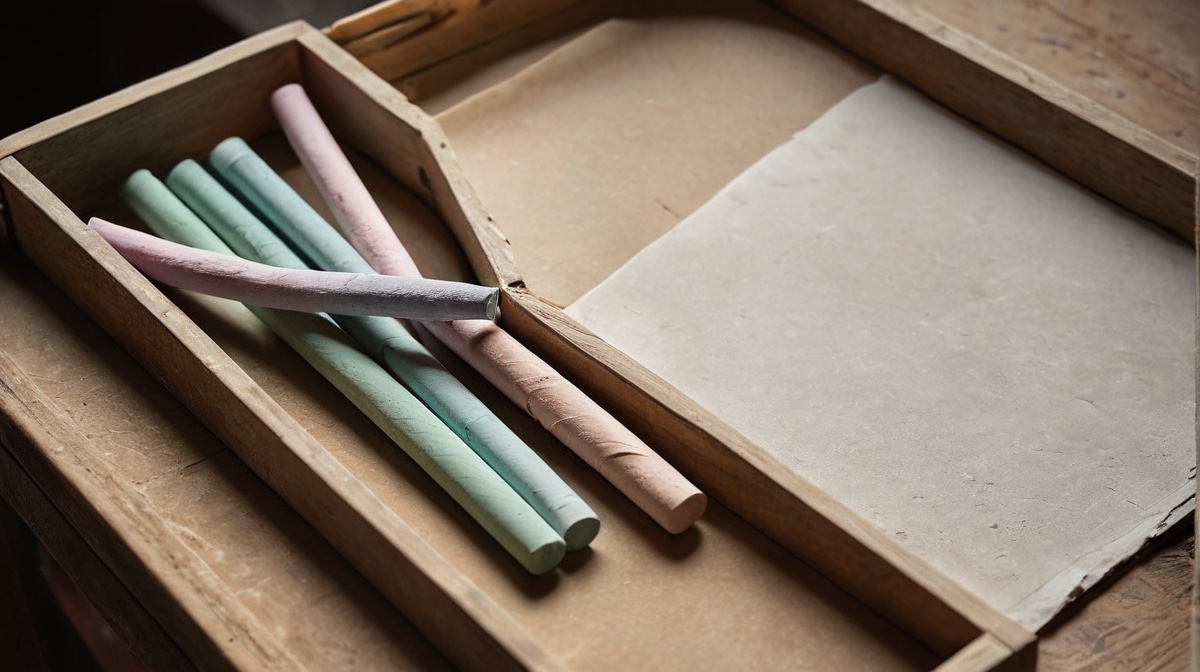
She worked in pastel on illustration board. In a trade that ran on oil, this is close to eccentric.
The consequence is visible from across a room. Oil on canvas gives you depth, modelled shadow and a saturated dark. Pastel on board gives you a chalky, high key surface with soft edges and very little true black, and it holds a light figure against a shallow field better than it holds a deep interior. Her covers do not look like anything else on the rack of the period, and the reason is a materials decision rather than a stylistic one. What the medium demanded of her at the drawing board is the subject of pencils to paint.
Ninety dollars a cover
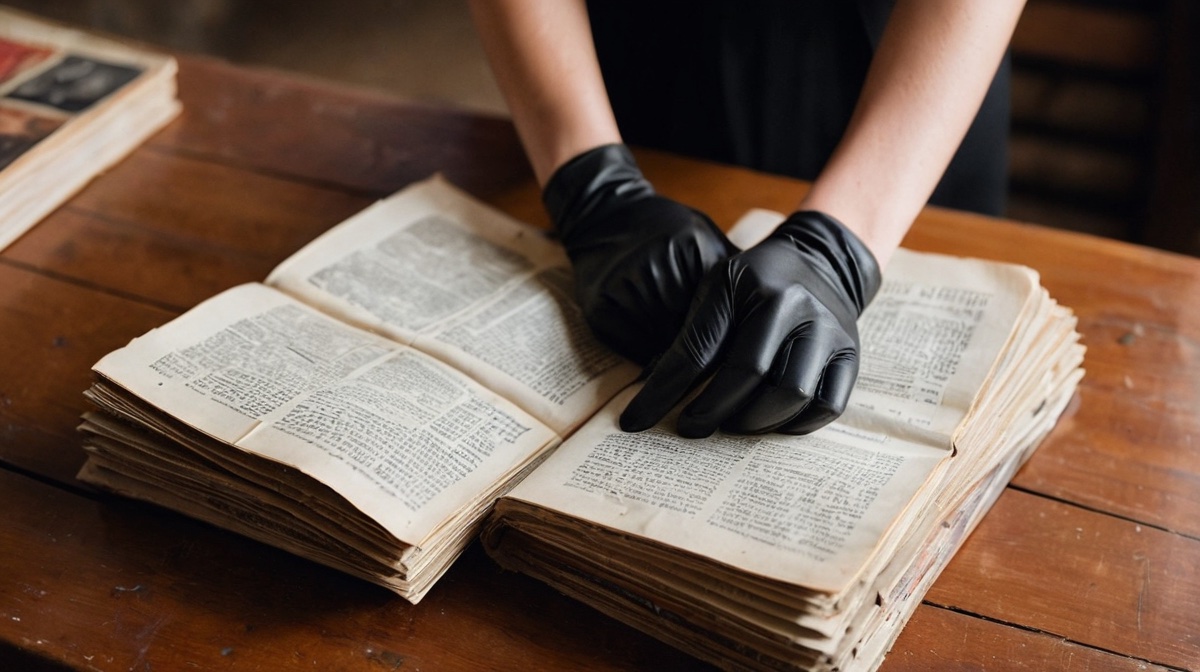
Wright paid her $90 per cover, and that figure is worth holding next to two others.
The standard base rate for a pulp writer at the better houses was a cent a word, paid on acceptance. Lower down the trade it was half a cent or a quarter, often paid on publication or later. So a Brundage cover cost the magazine roughly what a nine thousand word novelette cost it: one painting against one substantial story, for the same money.
The second figure is circulation. Weird Tales is estimated never to have passed about 50,000 copies an issue, at a time when Doc Savage and The Shadow were running at something like 300,000. Weird Tales was not a big magazine. It was a distinctive one, and a distinctive magazine on a crowded rack is buying identity, which is exactly what ninety dollars a month was purchasing. The rest of that arithmetic is set out in the deadline economy.
The signature, and October 1934
She signed the work M. Brundage.
Readers did not know the artist was a woman until Wright told them, in October 1934. Complaints about the covers rose afterwards, which is the part of the story worth pausing on, because the pictures had not changed. The same images that had been acceptable as the work of an assumed man became objectionable as the work of a known woman.
That is a small, dated, documented data point on a question people usually argue in the abstract. The objection was never purely about the content of the image. Some of it was about who was understood to be producing it, and by extension who was understood to be looking.
What the covers showed
They showed figures in and out of clothing, restrained, and in several cases being whipped. This is the plain content and there is no point being coy about it: her work sat at the far end of what a newsstand magazine could carry in the middle 1930s, and it was a considerable part of why the magazine sold.
The register is period melodrama rather than anything modern audiences would recognise as explicit, but the intent was not subtle and contemporaries did not read it as subtle. Complaints came in. Wright kept commissioning. The magazine needed the covers.
That combination, a trade that objected to the picture while depending on it, is the ordinary condition of this whole tradition rather than a scandal peculiar to one artist. The commercial logic behind it is the subject of the shudder pulps, where the same calculation ran across three titles at once.
How the run ended
Two things closed it. Censorship pressure on New York newsstands built through the late 1930s, and the standard accounts date a decency campaign associated with Mayor Fiorello La Guardia to 1938. Separately, the magazine’s ownership moved to New York, which put physical distance between a Chicago artist and the desk that commissioned her.
Her original covers thinned after 1936, stopped in January 1945, and the last Brundage cover to appear on a Weird Tales at all was a reprint on the digest sized issue of November 1953.
What survives
The magazines survive in quantity. The paintings mostly do not.
Publishers including Popular Publications, Street and Smith, Condé Nast and the Frank A. Munsey Company disposed of original cover art once it had been photographed for plates. Warehouse space cost money and the pictures were not thought to be worth any. Tens of thousands of pulp paintings were made and only a small fraction of them exist.
The largest single rescue was the work of one collector. Robert Lesser, who lived from 1924 to 2020, began hunting surviving originals in the early 1970s, published Pulp Art in 1997, and in 2013 gave 200 works to the New Britain Museum of American Art along with $1.3 million for their conservation. A further eleven paintings came to the museum from his estate in 2020.
For the printed magazines rather than the art, the working addresses are the Browne Popular Culture Library at Bowling Green State University, which has collected American popular print since 1969, the Cushing Memorial Library and Archives at Texas A&M, the Library of Congress, and on the digital side the Pulp Magazines Project and the pulp collections at the Internet Archive.
Brundage is unusually easy to check against all of them, which is the whole reason she is on this page.
Questions readers ask
Was Margaret Brundage unusual as a woman painting pulp covers?
Very. She signed her work M. Brundage, and readers did not learn the artist was a woman until the editor said so in October 1934. The reveal changed the tone of the letters column, which is itself a documented piece of evidence about who the magazine assumed was drawing and who it assumed was looking.
Why pastel rather than oil?
It was her medium and it was atypical. Almost everyone else in the trade painted in oil on canvas or board. Pastel on illustration board gives the soft, chalky, high key surface that makes her covers recognisable at a glance and separates them from every other magazine on the same rack.
Do her original covers survive?
Some do, but the general picture for pulp art is bleak. Publishers routinely destroyed cover paintings once the plates were made, and the surviving originals across the whole industry are a small fraction of what was produced. The single largest rescue was assembled by one collector from the early 1970s onward.
The trope outlived the newsstand
What a cover could only imply, people have always worked out between themselves in plain language. That conversation is still going on somewhere other than a comics page.
See where it happens now